Is Cursive Making a Comeback?
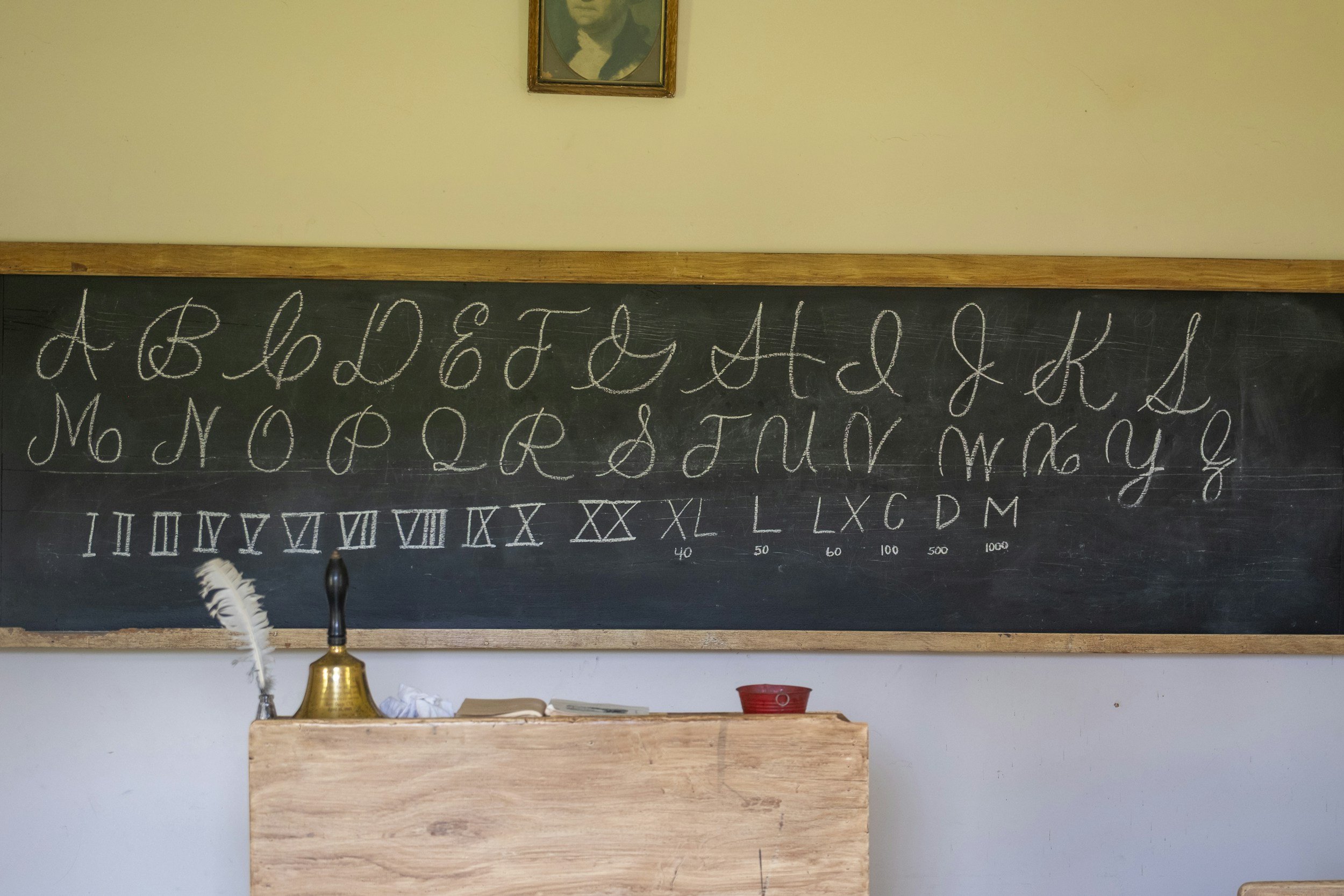
Sitting at my classroom desk one morning, my conscientious sixth grader approached me, puzzled about my comments on his graded essay. He could not understand what I had written on his test. We stared at each other blankly. The grading feedback was right there. Unfortunately, my student could not read them as they were written in cursive, something he had never learned.
Some teaching moments stand out, and this was one of them. I took for granted that my students came to me proficient in cursive reading and writing. No longer. My school district had dropped cursive instruction from the curriculum. What precipitated this fall from grace? When the 2010 Common Core standards omitted cursive instruction; school districts that adopted these guidelines deemed it unnecessary. With limited classroom teaching time, the need for keyboard practice and digital literacy supplanted the teaching of cursive writing. And the need to prepare for high-stakes testing further contributed to its demise.
Throughout history, ideas have been communicated through words. How these words were recorded evolved over time. The Spencerian writing method of fluid movements, taught in the 1850s, replaced the stiff English Copperplate or round hand method. For reference, the Declaration of Independence is written in Copperplate. The quill writing instrument proved effective for this type of lettering. Made from the flight feather of a large bird, usually a goose or a swan, the continuous writing style helped avoid smudging on precious paper. This is much the same way a fountain pen would smudge the paper when lifted.
In 1894, the Palmer Method streamlined the flourishes of the Spencer method and introduced a simpler and faster style of writing. This was eventually adopted by school systems nationwide. The invention of the ballpoint pen in 1938 by Hungarian brothers, Laszlo and Gyorgy Biro, largely replaced the fountain pen because of its durability, convenience, and affordability. No more smudges either.
Cursive writing was typically introduced in third grade and reinforced through fifth grade at which time most students were proficient. I can still visualize the beautiful cursive letters on green backing displayed over the blackboard in front of every elementary classroom I attended. The distinctive capital A was followed by the lower-case a. We practiced our cursive writing for homework on specially lined worksheets and received a grade for penmanship at every marking period.
Throughout history, writing has been a way to record ideas and develop thinking. It is well documented that the writing process activates greater parts of the brain than reading. What did it matter then, how that writing took place, whether it was cursive, printing, or keyboarding? Some educators considered cursive old-school and obsolete. In the years following 2010, many cursive alphabets on green poster board were relegated to schoolhouse storage rooms across America. Some, but not all.
In fact, neuroscientists explain that writing, specifically handwriting, is a whole-brain activity. Studying brain imaging reveals that handwriting activates the motor cortex to form letters, the areas of visual processing to track strokes, and the language circuits. Writing by hand surpasses keyboarding or reading as an effective way to retain information. More importantly, through their studies, researchers are finding that the shift toward digital writing comes with a cognitive cost.
Mindful of this research, a course correction appears headed back to schools that abandoned cursive teaching. Today, over twenty-seven states have enacted legislation that mandates cursive instruction in lower grades. Critics, however, remain skeptical of the benefits of cursive writing. They oppose using valuable classroom time in a digital age if there is no measurable benefit to its teaching.
Not so fast, say cursive proponents. There is plenty of evidence that suggests improvements in fine motor skills, cognitive development, and even higher ACT and SAT scores for those who use cursive writing. Moreover, learning cursive allows for engagement with historical texts, ancestry information, census records, and primary documents, to name a few. There is practical value in the ability to write and communicate faster in cursive, and even stronger evidence to suggest that fluent handwriting helps students become fluent thinkers rather than simply a fluent typist.
https://www.nea.org/nea-today/all-news-articles/why-cursive-back-classroom
Despite the controversy regarding its efficacy, a growing number of school districts across the country are acknowledging the benefits of cursive instruction as part of a balanced and effective literacy instruction program. For some school districts and private schools nationally, the practice was never abandoned in the first place.
Did you learn cursive in school? What communication style do you use predominately- print or cursive or do you communicate primarily through digital devices? What method do you prefer?
Bit by bit…that’s all she wrote.