An Unwelcome Guest
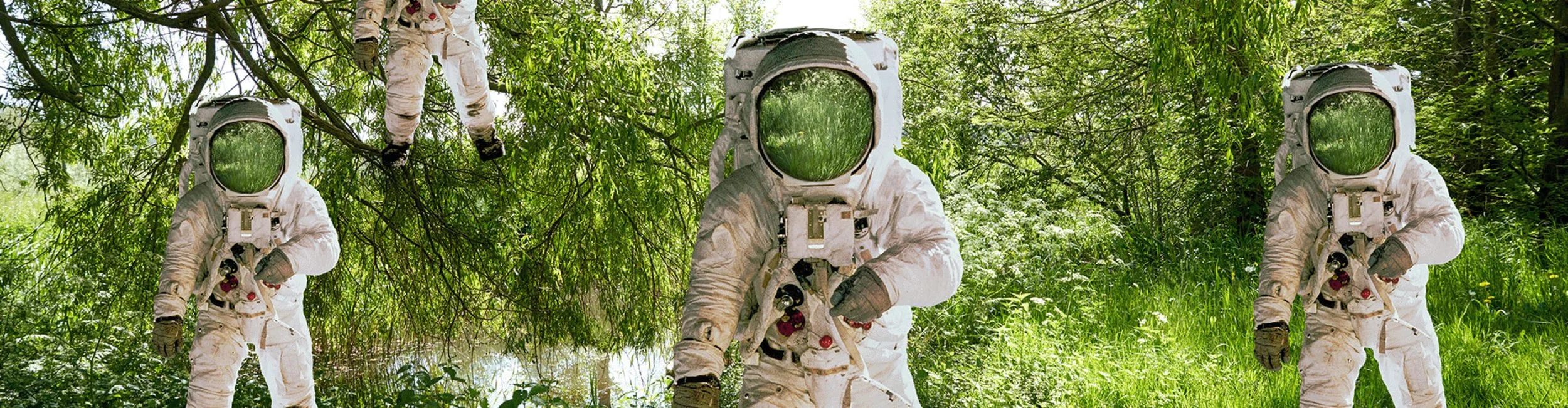
Unexpected, uninvited, unwelcomed. That’s Charlie. In 2015, he intruded into our family’s life and left three years later. Good riddance to bad rubbish. Hopefully, he will not be knocking on your door anytime soon, but as a warning, be prepared.
At 93 years old, our dad’s journey with visual hallucinations started. Around 10 o’clock one evening, he became alarmed and yelled for my brother to call the Cleveland Clinic, where he went for periodic eye exams. Macular degeneration robbed him of his sight, and he was legally blind. He was “seeing” geometric patterns and dancing numbers on the carpet in his bedroom. My brother rushed in and tried to calm him down, urging him to go back to sleep. Being lucid, my dad had no idea what was happening to him. Quite agitated, my father persisted, and my brother reluctantly made the call an hour later.
Initially, the on-call ophthalmology resident urged our father to come to the hospital immediately. But, realizing that our dad was of sound mind and lived two hours away, the doctor reasoned that he might be experiencing Charles Bonnet Syndrome. He advised him to see his local eye doctor the following day. The diagnosis was confirmed by our father’s optometrist the next morning. Trying to comfort him, the doctor joked that they should buy some lottery tickets, picking the numbers my dad had visualized the night before.
After Dad’s initial diagnosis, I did some online research about Charles Bonnet Syndrome. In lay terms, the brain and sight are connected. When sight fades or blindness occurs, the brain may take over and compensate for the lack of vision. In some people, this syndrome may show its disturbing face, both literally and figuratively. Charles Bonnet Syndrome is quite scary, especially to the vulnerable, elderly population, where they may think they are developing dementia. They remain silent, not expressing what they are experiencing to family members, their physicians, and those in charge of their care. “Charlie” needs to become a topic of conversation for the visually impaired, their loved ones, and care providers. Awareness and education are the keys to understanding this disturbing condition.
Our father wanted people to know that the hallucinations may go away as fast as they appear, and they may resurface without warning. Often, the visions have no prior connection to the past and are quite random. One evening while sitting on the sofa in the family room, he suddenly “saw” cars coming through the walls and up the wrong side of a street. That same night, he witnessed a group of young women wearing short skirts, probably wishful thinking on his part! He had begun seeing recurring red dots in window panes, warning him that more elaborate hallucinations were about to pop up. Other scenes were of a platoon of marching soldiers, a fleet of trucks, thousands of sheep, a patterned carpet of orange leaves—all where he was the observer watching a moving mirage in living color. On a positive note, he “saw” hallucinations in vivid hues when in reality he saw none. As a very visual person, I find this condition baffling as well as fascinating.
He tried fighting off the visions, but often to no avail. Sometimes, with rapid, back-and-forth eye movements, he could make them vanish; other times, not. When he was winding down for nighttime sleep, the hallucinations might emerge more frequently. During the day, he found that focusing on a project, such as his pottery, or actively engaging in conversation with people helped them to disappear. Toward the end of his life, he had these visions roughly three to four days out of each month, each episode lasting minutes to hours. Apparently, the brain may also wreak havoc on a small percentage of those who have lost their hearing with auditory hallucinations. Parkinson’s patients can experience phantom visualizations, as well. The brain is an amazing organ, but can be a meddling character at times!
CHARLES BONNET SYNDROME
Charles Bonnet was a Swiss naturalist and philosopher who witnessed his grandfather having these phantom visions in the 1700s.
Some literature suggests 10-30% of visually impaired people experience this disconcerting phenomenon.
Next to the skin and liver, the brain is the third-largest organ in the body.
For MDs and PhDs versed in the field of neuroscience, the brain continues to elude experts with its many uncharted territories to explore and explain.
There is a great 2009 TED Talk by Oliver Sacks, the renowned British neurologist, who had Charles Bonnet Syndrome himself. https://www.youtube.com/watch?v=SgOTaXhbqPQ
https://www.rnib.org.uk/your-eyes/eye-conditions-az/charles-bonnet-syndrome/
With the massive baby boomer population reaching its senior years, I, along with our father, want this generation and those following us to become educated and aware of “Charlie,” not as a familiar guest but more as an acquaintance from afar. Spread the word of this dreadful syndrome. There is no need for people to suffer in darkness and silence. Hopefully, “Charlie” won’t come knocking; but if he does, you’ll be prepared when you open the door.
Bit by bit, that’s all she wrote…